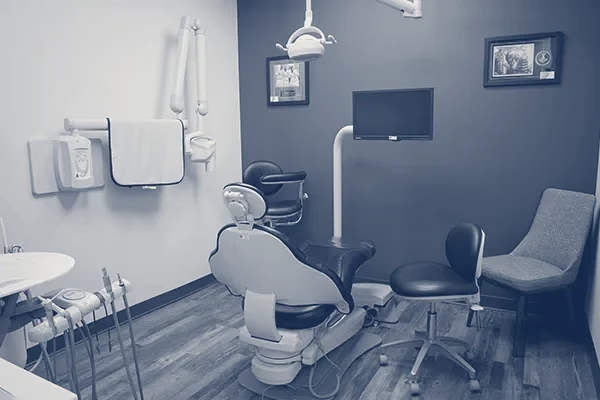
Maintaining oral health becomes increasingly important with age. Dental checkups for seniors play a vital role in detecting issues early, managing age-related conditions, and supporting overall well-being. At Town Center Dental, we specialize in senior dental exams tailored to meet the unique needs of older adults.
Why Regular Dental Checkups Are Essential for Seniors
As we age, our oral health faces new challenges. Aging and oral health are closely linked, and neglecting routine care can lead to serious problems.
•
Gum Disease and Root Decay - Seniors are more prone to periodontal issues and decay near the roots due to gum recession.
•
Dry Mouth - Commonly caused by medications, dry mouth increases the risk of cavities and infections.
•
Tooth Loss and Bone Loss - Untreated oral conditions can result in tooth loss, which can lead to bone resorption over time.
•
Silent Progression - Many dental conditions advance painlessly, making early detection through checkups essential.
Many seniors also manage chronic conditions like diabetes and heart disease, which can complicate oral health. For example, a patient with diabetes who stayed consistent with dental visits avoided dentures due to early intervention and customized preventive care.
What Happens During a Senior Dental Exam
Senior dental exams are comprehensive and designed with comfort and accessibility in mind.
•
Medical and Dental History Review - Evaluates underlying health concerns and current medications.
•
Oral Examination - Includes an inspection of teeth, gums, tongue, soft tissues, jaw alignment, and bite.
•
X-rays - Helps detect bone loss, infections, or cavities hidden beneath fillings or gums.
•
Professional Cleaning - Removes plaque, tartar, and helps prevent gum disease.
•
Specialized Screenings - Checks for oral cancer, loose teeth, ill-fitting dentures, and signs of dry mouth.
Our dental team adapts the visit for mobility or sensory concerns, offering slower-paced appointments and gentle techniques to ensure comfort.
Common Dental Issues Among Seniors
Dental health for seniors can be affected by a number of age-specific risks. Recognizing these concerns helps prevent complications and preserve quality of life.
•
Gum Disease - Often linked to chronic illnesses like diabetes and heart disease, it can lead to tooth loss if untreated.
•
Dry Mouth - Reduced saliva flow due to medications raises cavity and infection risks.
•
Tooth Decay - Root surfaces and older fillings are particularly susceptible.
•
Tooth Loss - Leads to dietary limitations and jawbone shrinkage.
•
Silent Symptoms - Conditions like bad breath, sore spots, or bleeding gums may be early warning signs.
Older adults should not wait for pain before seeking care-many serious dental issues are painless in the early stages.
Preventive Dental Care Options for Seniors
Preventive strategies help seniors avoid invasive treatments and maintain independence.
•
Regular Cleanings and Exams - Essential for early detection and gum disease prevention.
•
Daily Oral Hygiene - Includes brushing twice daily, flossing, and using fluoride toothpaste.
•
Dry Mouth Management - Use of moisturizing rinses, saliva substitutes, and sugar-free lozenges.
•
Special Tools - Electric toothbrushes and floss holders are useful for arthritic hands.
•
Caregiver Involvement - Family or caregivers can assist with brushing and scheduling appointments.
•
Fluoride Treatments and Sealants - Help protect against decay in high-risk areas.
A balanced diet, hydration, and avoiding tobacco are also key to preserving oral health in older adults.
Cost Considerations & Dental Coverage for Seniors
Navigating dental coverage can be confusing, but quality senior dental care is achievable for every budget.
•
Medicare Limitations - Traditional Medicare typically does not cover dental checkups or cleanings.
•
Supplemental Insurance - Some private or Medicare Advantage plans offer dental benefits.
•
Affordable Options - In-office plans, senior discounts, and local dental clinics provide cost-effective care.
•
Prevention Saves Money - Regular care reduces the need for more expensive procedures down the line.
Patients are encouraged to contact Town Center Dental to learn more about accepted insurance and budget-friendly options.
How Often Should Seniors Visit the Dentist?
Routine care is key to staying ahead of dental issues. Most seniors benefit from biannual visits, but individual needs may vary.
•
Standard Recommendation - Every six months is typical for most older adults.
•
High-Risk Individuals - Seniors with chronic conditions, medications, or poor oral hygiene may need checkups every 3-4 months.
•
Customized Schedules - Our team tailors the frequency based on your medical history and oral health.
•
Proactive Visits - Early detection during routine checkups can prevent emergencies.
For example, one patient discovered a hidden infection during a scheduled visit-early treatment prevented tooth loss and additional medical complications.
Why Choose a Dentist Who Specializes in Senior Care
Choosing a provider who understands geriatric dentistry makes a significant difference in comfort and outcomes.
•
Specialized Training - Dentists with experience in senior care know how to manage aging-related concerns.
•
Accessibility and Comfort - Clinics are designed to accommodate limited mobility, vision, or hearing.
•
Personalized Communication - Staff are trained to address cognitive or sensory needs compassionately.
•
Comprehensive Support - From denture adjustments to dry mouth relief, seniors receive tailored attention.
At Town Center Dental, our compassionate environment ensures older adults receive thoughtful, personalized care.
Schedule Your Senior Dental Checkup Today
Our dental team is here to make dental checkups for seniors comfortable and effective. Whether you’re managing ongoing concerns or simply staying proactive, we’re ready to help with senior dental exams designed around your needs.
Call 636-273-5866 today to schedule a senior dental checkup or learn more about how we support oral health for older adults.
FAQs
Why are dental checkups important for seniors?
Dental checkups for seniors help detect problems like gum disease, tooth decay, and oral cancer early. Many issues are painless in the beginning, so regular visits ensure they’re caught before they worsen.
What should I expect during a senior dental exam?
A senior dental exam typically includes a review of your health history, a thorough oral exam, x-rays if needed, professional cleaning, and screenings for dry mouth, oral cancer, and denture fit.
Is dental care covered by Medicare?
Traditional Medicare generally does not cover routine dental care. However, some supplemental or Medicare Advantage plans may include dental benefits. Contact your provider or our office to check coverage options.
How often should seniors get dental checkups?
Most seniors should see the dentist every six months. However, those with chronic health conditions or oral concerns may benefit from more frequent visits. Your dental team will create a personalized schedule.