2426 Taylor Road, Wildwood, MO

Mon-Wed 8am-5pm, Thu 8am-4pm

(636) 273-5866

Search treatments, guides and terms

Try "crown", "implant", "whitening" or a town. Press Esc to close.

Even without pain

The American Dental Association says you can have dental problems with no symptoms that only a dentist can diagnose.

X-rays are chosen for you

Your dentist decides if you need X-rays after reviewing your history and examining your mouth.

Visit timing varies

Some people need a visit once or twice a year, and others need more.

New patients bring records

If you have X-rays from a past dentist, ask for copies to bring.

We tend to associate the word “dentist” with invasive and painful procedures like root canals, wisdom tooth extractions, and dental crowns. As a result, most people only go to the dentist when they feel pain. Oral pain can be a result of untreated gum disease, poor dental hygiene, or even bodily diseases like diabetes and lupus.

At Town Center Dental we practice detecting the early signs of an autoimmune disorder, gum disease, tooth decay, and oral cancer and dealing with these problems early. Preventative dentistry increases your chances of successful treatment.

How often you should have a dental exam?

People with good oral health should visit their dentist every six months. During an exam, the dentist will use information gathered about your oral health to determine the most optimal schedule for dental checkups, cleanings, and general oral maintenance. In short, how frequently you should see the dentist depends on the dentist’s evaluation of how healthy your gums and teeth currently are and the potential risk for future issues.

What to expect during your dental exam

A dental checkup will be performed by an experienced general dentist, with the help of a dental assistant and/or dental hygienist, if a cleaning is required. A general dentist helps identify and prevent the progression of oral diseases and differs from a dental specialist as they offer a wide array of services vital to sustained oral health. A dental hygienist performs oral health assessments, dental cleanings, uses their personal and clinical skills to motivate patients, and gives instructions on how to prevent oral disease and maintain oral health.

The first part of a dental exam begins with your medical history intake. The dentist will ask you questions to build a picture of your oral health. You will need to offer information regarding allergies, whether you smoke or consume alcohol, and any medications you are currently taking. The dentist is required to ask if you have any medical conditions for which you are undergoing treatment. The dentist may ask about your previous dental treatment, surgeries, or your experience with anesthesia.

After collecting all the necessary and relevant information, they can begin their investigation. Dentists perform a thorough investigation of the teeth, gums, jaw, and supporting structures. Procedures and tools used include X-rays, dental cleanings, and oral cancer screenings.

X-ray machines are an essential and common tool used by dental practitioners to identify dental abnormalities invisible to the naked eye. The dentist will first take a full mouth X-ray and in future visits will spot-check any problem areas for closer inspection. X-rays are not usually required for every dental exam. Exposure to radiation from X-rays is low, however, you should speak with your dentist if you have any concerns about radiation exposure.

Dental cleanings not only serve the purpose of cleaning your teeth and gums, but they also help your dentist further assess your oral health and spot any undetected dental abnormalities. During a checkup, a dental hygienist or general dentist will remove tartar that forms frequently on your teeth and under your gums. After scraping away the tartar, the dentist will polish and floss your teeth.

As oral cancer cases increase, many dental practices have been prompted to include an oral cancer screening as part of their standard dental exams. Modern dentists are trained to detect early signs of oral cancer by examining the soft tissues in your mouth and the areas surrounding your jaw.

It is never too late to invest in your oral health

Oral problems untreated can develop rapidly and lead to invasive and painful procedures. Town Center Dental will help ensure your oral health is on the right track with regular visits and biannual exams. Schedule an appointment with our office today at 636-273-5866.

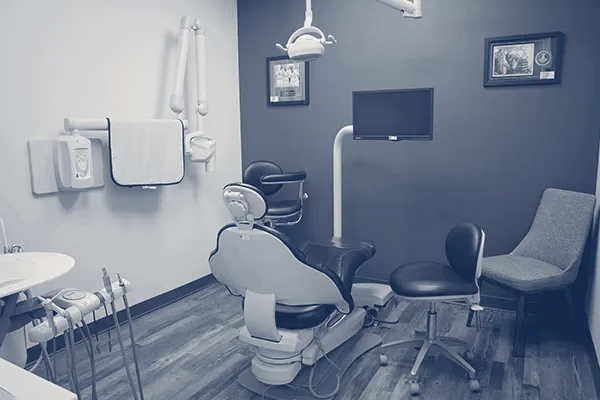
What to expect at a dental exam
Part of the visitWhat it is forWhat you can do
Health historySpots medicines and conditions that affect careBring a medicine list
Look at teeth and gumsChecks for decay, gum disease and wearMention any pain or changes
X-rays, if neededShow what the eye cannot seeAsk why they are advised
Cleaning, if scheduledRemoves plaque and tartarAsk for home care tips
Plan and next visitSets what comes nextAsk about timing and your insurance

Do I need an exam if nothing hurts?

Yes. The American Dental Association says that even if you do not have symptoms, you can still have dental problems that only a dentist can diagnose. Many problems cause little pain at first.

An exam lets your dentist find small issues when they are simpler to treat. It also helps you build a baseline, so changes show up over time. The office describes checking for gum disease, decay and oral cancer on its dental exam page.

To learn what the day looks like, read what to expect at a dental visit. Write down your questions before the visit. Your dentist will talk with you about what to expect and explain each step before it starts. If you are unsure, call (636) 273-5866. The team can answer questions and help you book a visit. The office is open Monday to Thursday.

How often do I need X-rays?

There is no one schedule. The American Dental Association says your dentist reviews your history and examines your mouth to decide whether you need X-rays. Children and teens may need them more often than adults, because their teeth and jaws are still growing.

The association also says dental X-rays emit very low doses of radiation, so the risk of harm is very small. It still recommends X-rays in moderation. The office describes digital X-rays on its technology page. Read more about bitewing X-rays and radiation dose.

Ask your dentist why a picture is needed and what it will show. Every mouth is different. After your exam, your dentist explains how this applies to you and what your choices are. The office does not publish fees. The team looks at your plan and your treatment, then gives you an estimate for your own case.

How often should I come in?

Many people hear every six months. Cleveland Clinic says most dentists recommend a cleaning every six months, but some people need to come more often. The American Dental Association says some people need a visit once or twice a year, and others need more.

Your dentist sets a schedule based on your gums, your cavity history and your health. After your exam, ask when to come back and why.

You can also read about teeth cleaning and oral cancer screening, which often happen in the same visit. For a new patient, the office asks you to schedule a consultation first, as the new patients page explains. Keep your follow-up visits. They let your dentist check how things are going and answer new questions. You can also request an appointment online. Tell the team what you want to talk about so they can plan your visit.

Questions about dental exam

Read the guideWhat Happens at a Dental Exam and Cleaning

Is the radiation from dental X-rays a concern for toddlers?

The American Dental Association says dental X-rays emit very low doses of radiation, so the risk of harm is very small. Children may need X-rays more often than adults. Your dentist decides if your child needs them and explains why.

How often do adults need dental X-rays?

It depends on you. The American Dental Association says your dentist reviews your history and examines your mouth to decide. It recommends X-rays in moderation. Ask your dentist what you need and why. Your dentist can explain more at your visit.

How often should I get a dental checkup?

Many people go every six months. Some need visits once or twice a year, and others need more, per the American Dental Association. Your dentist sets the schedule for you after your exam. Ask your dentist what applies to you.

What if I have not been to a dentist in years?

Come anyway. Tell the team how long it has been and share any worries. Your dentist will examine your mouth, explain what was found and set a plan at a pace that works for you. Call (636) 273-5866 with questions.

Can I bring X-rays from my last dentist?

Yes. The American Dental Association says a new dentist may ask for copies instead of ordering new ones. Ask your previous dentist to send them before your visit. Bring your questions to your next visit. Your dentist will talk with you about what to expect.

CallRequest