For those considering dental implants, a critical part of treatment planning may involve addressing insufficient jawbone structure. Bone grafting for dental implants plays a key role in ensuring implant stability, long-term success, and overall oral health. At Town Center Dental, our team specializes in preparing your mouth for implant placement, including the use of advanced grafting techniques when needed.
Why Bone Grafting May Be Necessary Before Dental Implants
To place a dental implant, there must be enough healthy jawbone to support it. Unfortunately, many patients experience jawbone resorption due to factors such as:
•
Periodontal Disease - Advanced gum disease can erode supporting bone.
•
Tooth Loss - Bone begins to shrink in areas where teeth have been missing for some time.
•
Oral Trauma - Accidents or injuries may damage the jawbone structure.
•
Developmental Defects - Some individuals naturally have insufficient bone in specific areas.
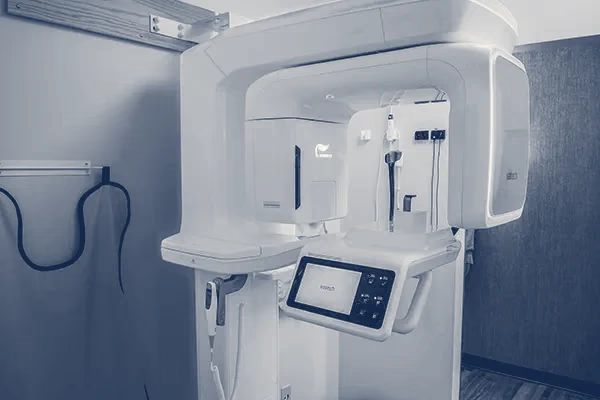
If your dentist notes a lack of jawbone density during your evaluation-often visible through X-rays or CT scans-a bone graft may be recommended as part of your implant prep plan. This step helps recreate a strong foundation, increasing the chance of successful implant placement.
What Is a Dental Bone Graft?
A dental bone graft is a minor surgical procedure where grafting material is placed in an area of low bone volume. The goal is to promote bone regeneration so the jaw becomes stable enough to hold a dental implant.
Graft material can be sourced from:
•
Your Own Bone (Autograft) - Typically harvested from the chin or hip.
•
Human Donor Tissue (Allograft) - Processed and sterilized for safe use.
•
Animal Source (Xenograft) - Commonly from bovine origin.
•
Man-Made (Synthetic Bone Graft) - Biocompatible materials designed to mimic real bone.
As the graft integrates with the body, new bone grows in and replaces the graft over time. This dental bone graft procedure strengthens the implant site and increases the chances of long-term implant success.
Types of Dental Bone Grafts
There are several types of dental bone grafts, each suited to specific clinical needs:
•
Autograft - Bone from your own body; high success rate due to full biocompatibility.
•
Allograft - Cadaver bone; avoids a second surgical site and integrates well with minimal risk.
•
Xenograft - Derived from animal sources; offers excellent volume maintenance.
•
Alloplast - Synthetic bone graft; safe, sterile, and commonly used in routine cases.
Your dentist will recommend the best type of graft based on your specific needs, the area of bone loss, and the anticipated recovery time. All options used today are thoroughly tested and designed for safety, integration, and long-term function.
The Bone Graft Procedure: What to Expect
A dental bone graft procedure is typically done in-office and may involve local anesthesia or sedation depending on your comfort level.
1.
Your dentist makes a small incision in the gum to access the jawbone.
2.
Graft material is placed in the deficient area.
3.
The area is closed with sutures to begin healing.
4.
Over several months, the graft fuses with your natural bone.
In cases involving the upper jaw near the sinuses, a sinus lift may be required to create enough vertical space for implants.
Once the bone has matured-typically 3 to 6 months-you’ll be ready for your dental implant placement.
Recovery After a Dental Bone Graft
Dental bone graft recovery is usually straightforward. Most patients experience only minor swelling, discomfort, or bruising, which can be managed with over-the-counter medications.
To support healing, your dentist will provide detailed post-op instructions such as:
•
Stick to Soft Foods - Avoid hard, crunchy, or chewy items.
•
Maintain Oral Hygiene - Keep the area clean, avoiding direct brushing near sutures.
•
Avoid Smoking - Smoking can interfere with healing and graft success.
•
Attend Follow-Up Visits - Regular monitoring ensures proper integration.
While healing time varies, most patients are ready for implants after 3 to 6 months. Be sure to contact your dentist if you notice signs of infection, such as persistent pain, swelling, or fever.
Cost Considerations of Bone Grafting for Implants
The cost of bone grafting for implants varies based on several factors, including:
•
Type of Graft Material - Synthetic materials may differ in cost from natural bone.
•
Extent of Bone Loss - More complex grafts may require longer surgeries or multiple procedures.
•
Location and Expertise - Geographic region and provider experience can influence pricing.
•
Insurance Coverage - Some plans may partially cover grafting as a medically necessary step.
To get an accurate estimate, it’s best to schedule a consultation at Town Center Dental, where we can assess your needs and help verify any insurance benefits.
Timeline: From Bone Graft to Dental Implant
Patients often ask how long it takes to go from a bone graft to a completed dental implant. Here’s a general overview:
1.
Initial consultation and diagnostics.
2.
Bone grafting procedure.
3.
Healing period of 3 to 6 months (depending on graft type and location).
4.
Dental implant placement.
5.
Final crown placement after implant integrates (usually 3-6 more months).
While it may take several months, this timeline ensures proper healing and sets the stage for a durable, long-lasting restoration.
FAQs
Is bone grafting painful?
Most patients report only mild discomfort after a bone graft. Anesthesia is used during the procedure, and over-the-counter pain medication usually manages post-op symptoms effectively.
How long do you have to wait before getting an implant after a bone graft?
Healing time typically ranges from 3 to 6 months, depending on the type and size of the graft. Your dentist will determine when the bone is ready to support an implant through follow-up exams and imaging.
Can I avoid a bone graft before implants?
If you have sufficient jawbone density, a bone graft may not be needed. However, if significant bone loss is present, skipping this step can increase the risk of implant failure. In some cases, advanced implant techniques may reduce the need for grafting.
How successful are bone grafts for dental implants?
Bone grafts have a high success rate, especially when performed by experienced professionals. Success depends on overall health, adherence to post-op care, and the type of graft used. When successful, bone grafts create a solid foundation for long-lasting dental implants.
Schedule a Consultation
The best way to determine if you need a bone graft before a dental implant is through a thorough examination and imaging. At Town Center Dental, we offer personalized treatment plans based on your specific oral health and implant goals.
During your consultation, we’ll evaluate jawbone density, discuss grafting options if needed, and help you understand the steps and timeline involved. Our team will also assist with insurance verification and answer all your questions.
Call 636-273-5866 to schedule your implant consultation today.